
Splurge vs. Save: Where to Spend More (and Cut Back) When Building Your Home
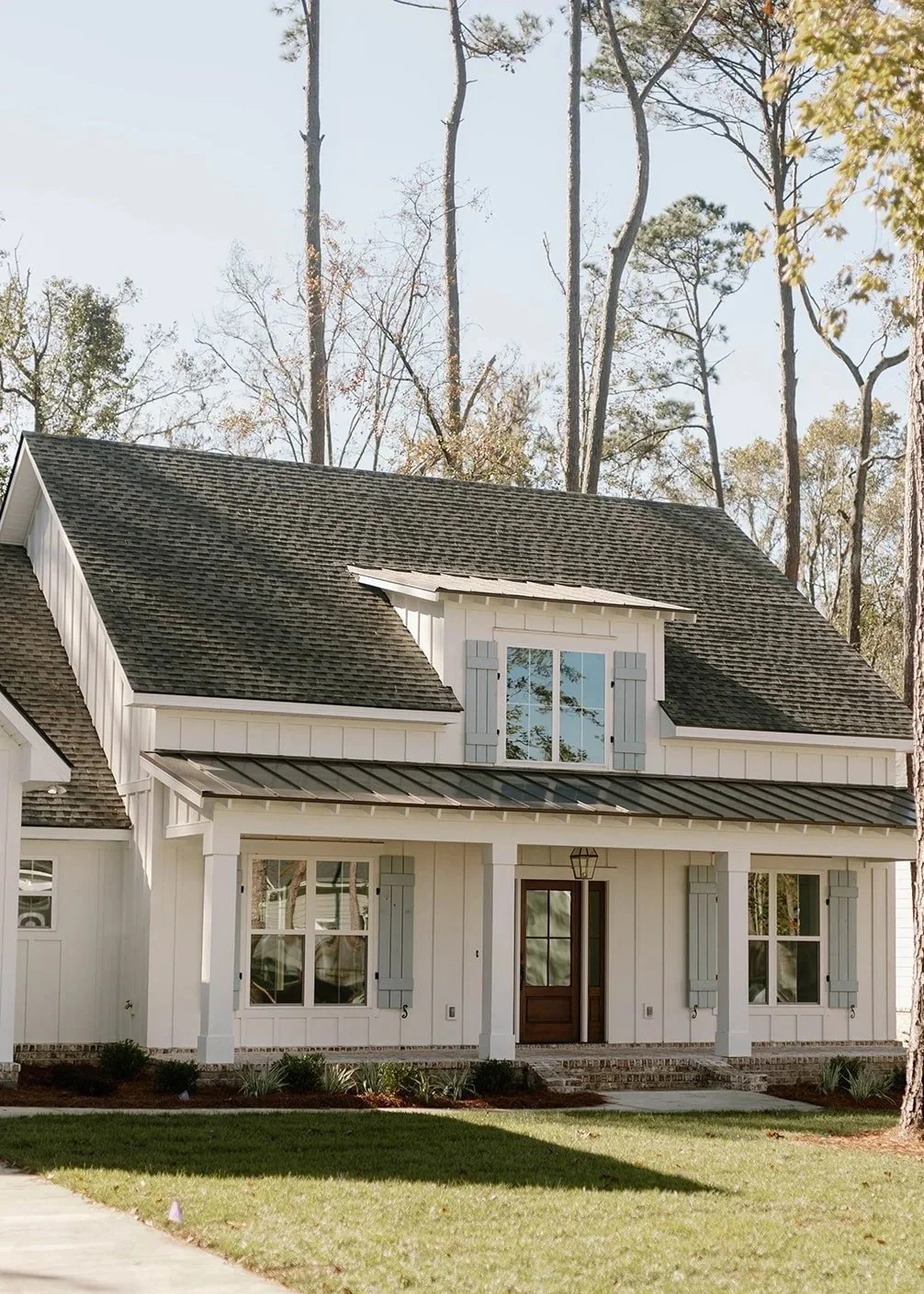
Every family building a custom home hits the same moment: the wish list is longer than the budget. So the real skill isn’t spending less — it’s spending in the right places. Put your money where it does the most good, pull back where you genuinely won’t miss it, and you get a better home for the same dollars.
After many builds, the patterns are clear. Here’s where our clients are almost always glad they invested, and where they’re glad they held back — so you can make those calls on purpose.
Splurge: The Things You Can’t Easily Change Later
The guiding principle is simple. Spend on what’s hard, expensive, or impossible to change after you move in. Save on what’s easy to swap down the road.
The structure and the envelope. Foundation, framing, windows, insulation, and HVAC are the bones and the skin of the house. You will never tear into a finished home to upgrade insulation — so get it right now. Quality here pays you back every month in comfort and energy bills, invisibly, for decades.
The kitchen and primary bath. These are the most-used and highest-impact rooms, and the costliest to redo later. Spend on the layout, the cabinetry, and the durable surfaces here before almost anything else.
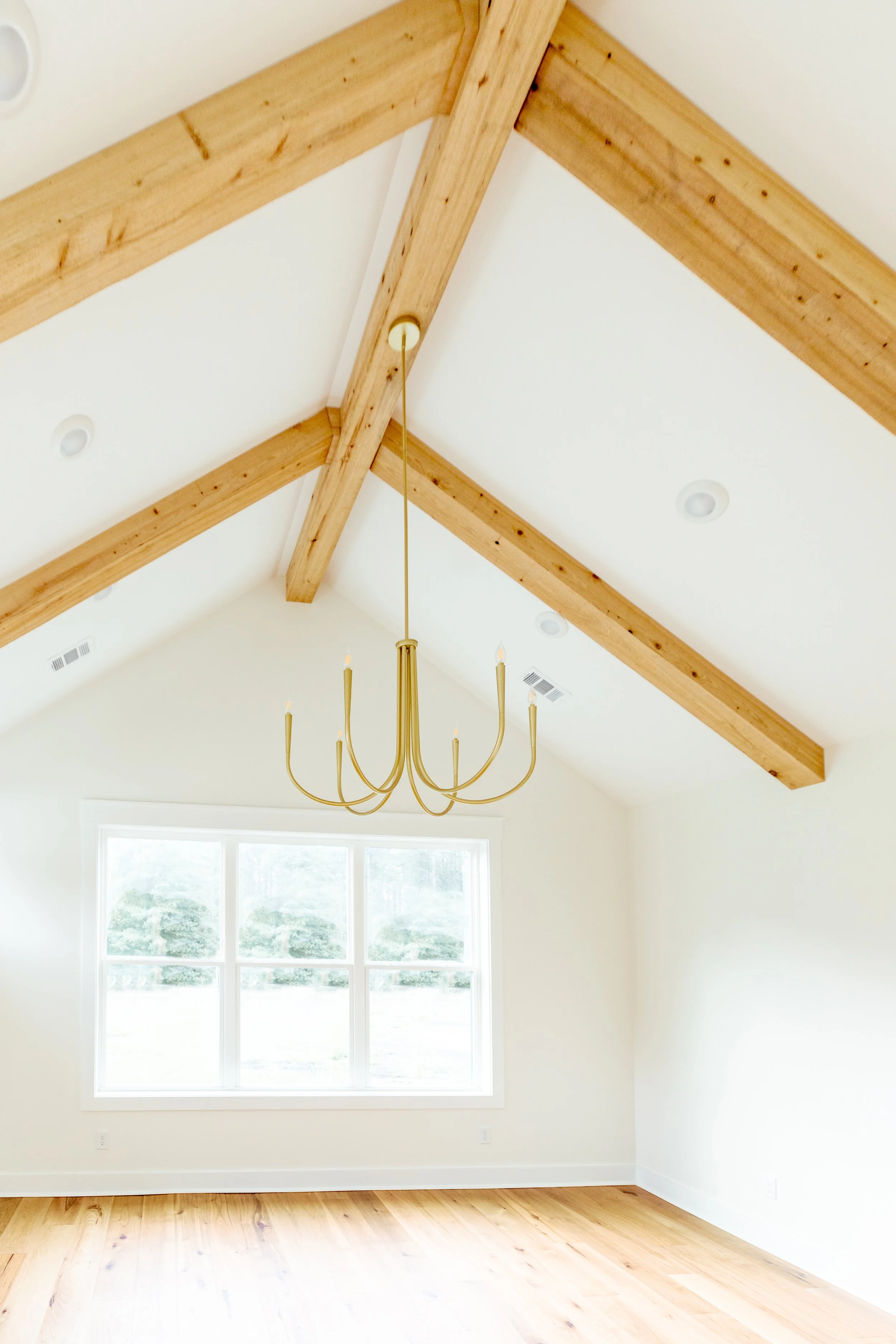
Natural light and ceiling height. Bigger or better-placed windows and the right ceiling heights transform how a home feels every single day, and they’re effectively impossible to add later. This is one of the best-value splurges there is.
Anything behind the walls. Plumbing and wiring. You can’t see it, which is exactly why it’s the worst place to cut.
Save: The Things You Can Upgrade Anytime
Here’s where you can comfortably pull back, because these are swappable on a future weekend or a future budget:
Light fixtures and ceiling fans. Start with tasteful, modest choices; upgrade the statement chandelier later. Easy change, big visual payoff when you’re ready.
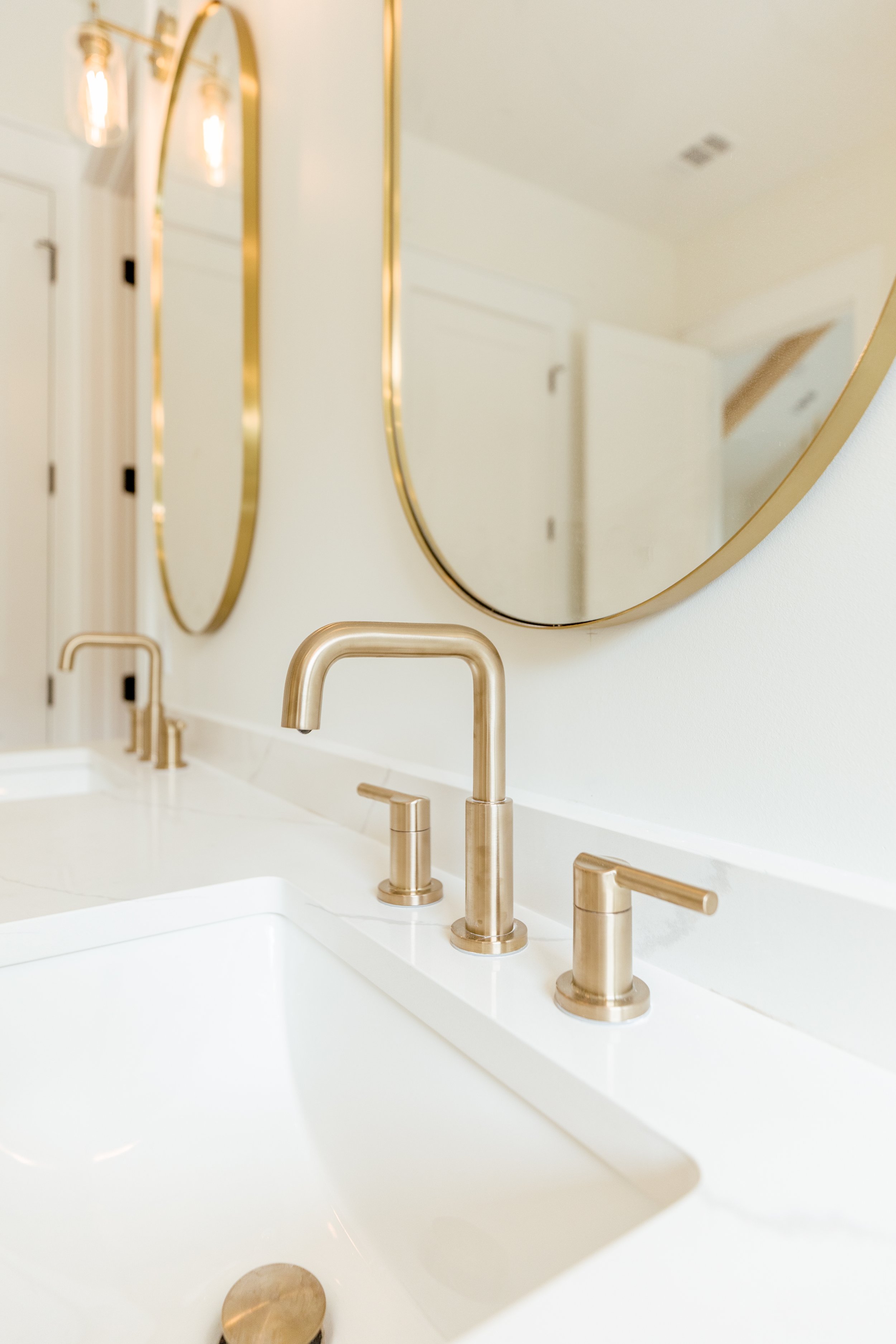
Faucets and cabinet hardware. Inexpensive to change down the road. No need to splurge across the whole house on day one.
Final-tier finish upgrades you’re lukewarm on. If the jump to the top tier doesn’t genuinely excite you, the mid tier is usually plenty.
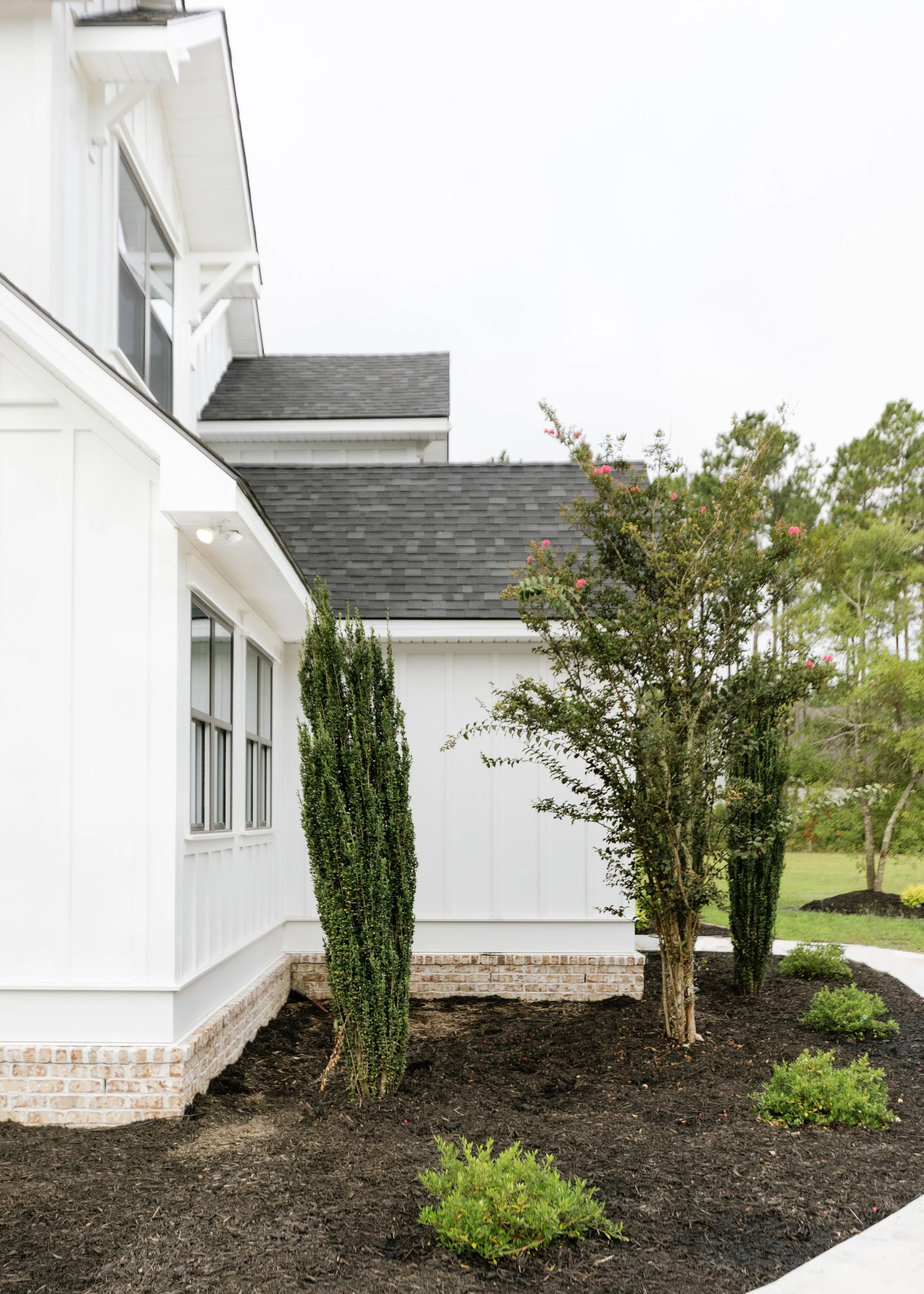
Landscaping in phases. Get the essentials in at move-in; build out the dream yard over a couple of seasons.
What Clients Regret — On Both Sides
The regrets we hear almost always fall into two buckets. People regret cutting on the things they can’t change — “I wish we’d done the bigger windows,” “we should’ve spent on the HVAC.” And they regret over-spending early on the easy stuff — the fancy fixtures throughout that they’d happily have phased in.
Get the bones and the big rooms right, phase the rest, and you rarely look back wishing you’d done it differently.
How the Cost-Plus Model Helps You Decide
This is exactly where transparent budgeting earns its keep. Because we build on a cost-plus model, you see the real cost of every choice as you make it — the actual difference between the mid tier and the top tier, in dollars, on a screen. That turns “splurge or save” from a guess into an informed decision.
It’s also why we recommend carrying a 5-10% contingency. It gives you room to splurge intentionally on the thing that matters to you, rather than scrambling when a must-have shows up mid-build. (For the full picture on where build dollars go, see our cost breakdown post.)

We want our clients to know where your money pays off for decades — and where you can pull back without a single regret.
A Simple Test for Any Spending Decision
When you’re standing at the selections table unsure whether to upgrade, run it through three quick questions. First: can I change this later without tearing into the house? If yes, it’s a candidate to save on now. Second: will I touch or notice this every day? If yes, it’s worth real money — daily-use items pay you back in satisfaction. Third: does this affect comfort, efficiency, or durability? If yes, lean toward quality, because those costs compound quietly for decades.
Most decisions sort themselves out fast with that filter. A statement light fixture fails the first test in the best way — easy to swap later, so start modest. Insulation fails it in the other direction — you’ll never redo it, so do it right. The families who use a simple rule like this end up with homes that feel high-end where it counts and never feel cheap where it matters.
Let’s Have the First Conversation
Every Hollingsworth home is backed by our 1-year workmanship, 2-year systems, and 10-year structural warranties — built to last.
Reach out to Hollingsworth Homes and we’ll help you put your budget exactly where it pays off — and pull it back where you’ll never miss it.